Chili's margaritas are a 30-million-drink traffic engine
Tequila Times
SourceNation's Restaurant News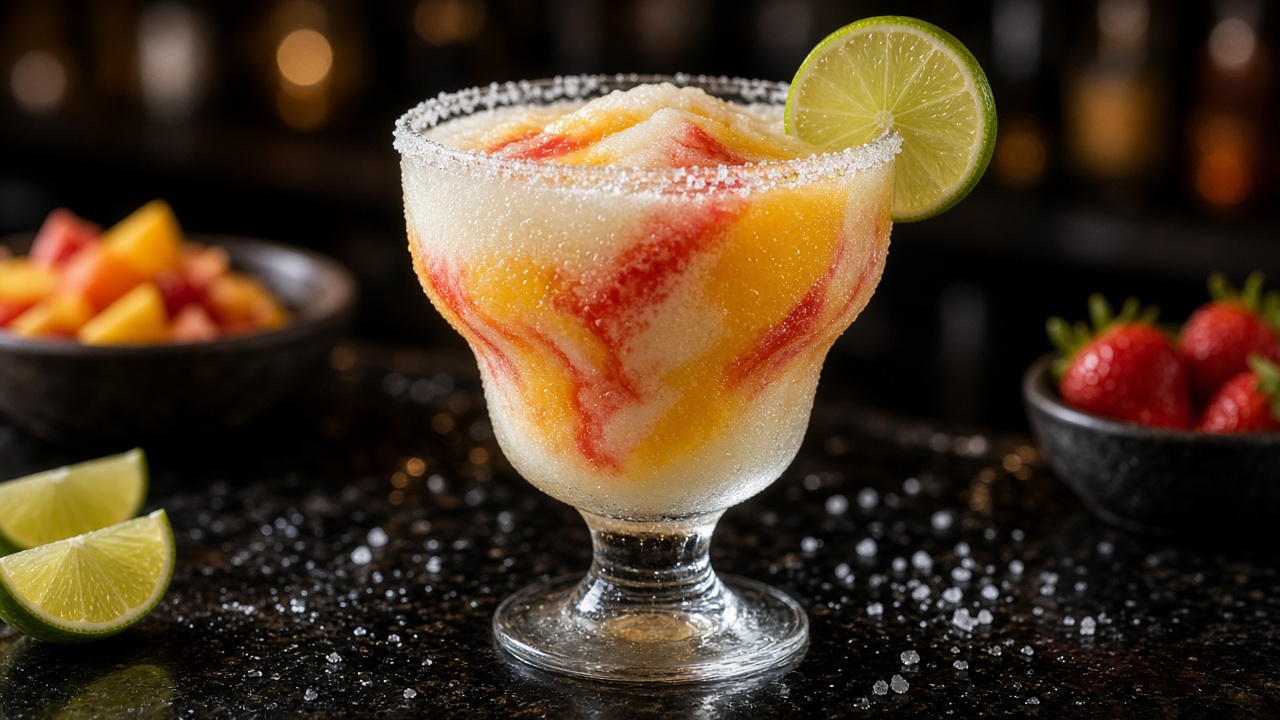
The biggest tequila cocktail program in America is not a cocktail bar. Chili's sold nearly 30 million margaritas in 2025, more than any other restaurant chain, and Nation's Restaurant News reported on November 4, 2026, that the company expects to sell more this year. Senior marketing director Mary Ellen Scott told the magazine guests come in for "Margs." Frozen margaritas were on the original 1975 menu. The current machine is newer than that nostalgia.
The engine is the Margarita of the Month, running since 2018 and still $6. Scott's description of why it works is blunt: value, newness, and fun. In February the chain added a Margarita of the Month Club, so regulars can collect digital badges and buy merch. October's repeat favorite, the Witches Brew, is a green drink built on Lunazul blanco, blue curaçao, and a Granny Smith apple syrup, with a broomstick swizzle. The gimmicks are the point. A casual-dining chain does not need a twenty-dollar specification drink. It needs a reason to come back in November.
The trade-up is where tequila brands actually get paid. Scott said guests move to $12 Presidente and Don Julio margaritas, and to a premium frozen line launched last year. A quarter of Chili's margaritas are now frozen. The Patrón frozen marg is $10, Patrón Silver with triple sec, lime, and agave syrup, in strawberry, mango, blackberry, dragon fruit, or spicy. The $12 Flamingo Freeze swirls that Patrón drink with Tito's and prickly pear. The Arctic Drift swirls it with coconut rum, pineapple, and blue curaçao. In September the monthly special got its first premium version: a cherry limeade margarita that could be frozen and made with Patrón for $10. Scott said the chain was still waiting on the numbers before deciding whether to keep the idea.
Don Julio, she said, is the premium pour guests already recognize, and $12 is the price that makes them order it. People will drink more tequila if the entry price is obvious, and a smaller group will pay up for a name they trust. For producers, a chain that can move tens of millions of serves is distribution of a different kind: not a shipper and a shelf tag, but lime, salt, and a Tuesday night.